No Life on Mars: Five Lives, Three Countries, and the Search for a Place to Call Home
A documentary follows displaced people from Sudan through Kenya and Spain, and asks what belonging means once the war has taken almost everything else. Its creators talk to D-journal about restraint, trust, and the editing decisions that shaped a 61-minute film.
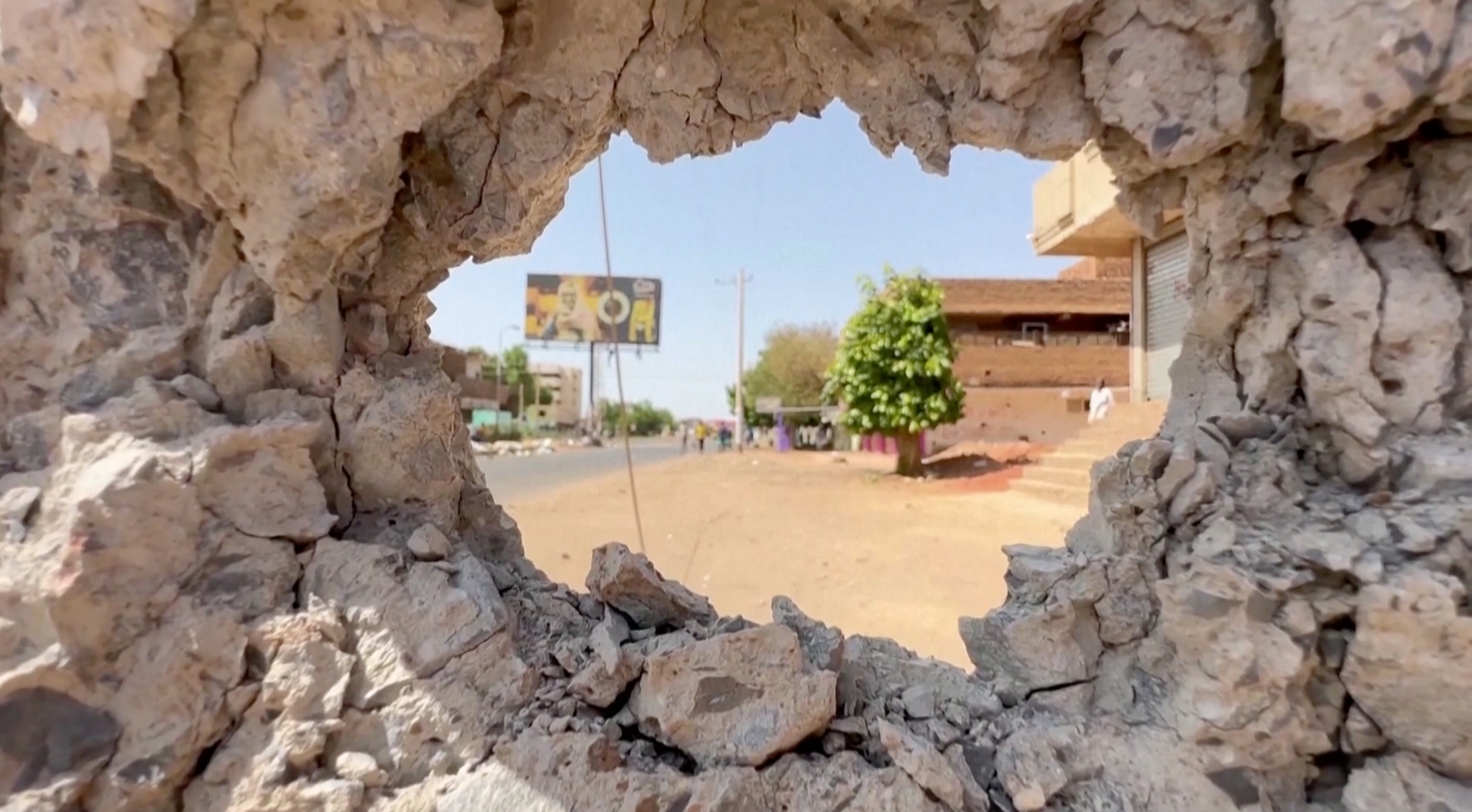
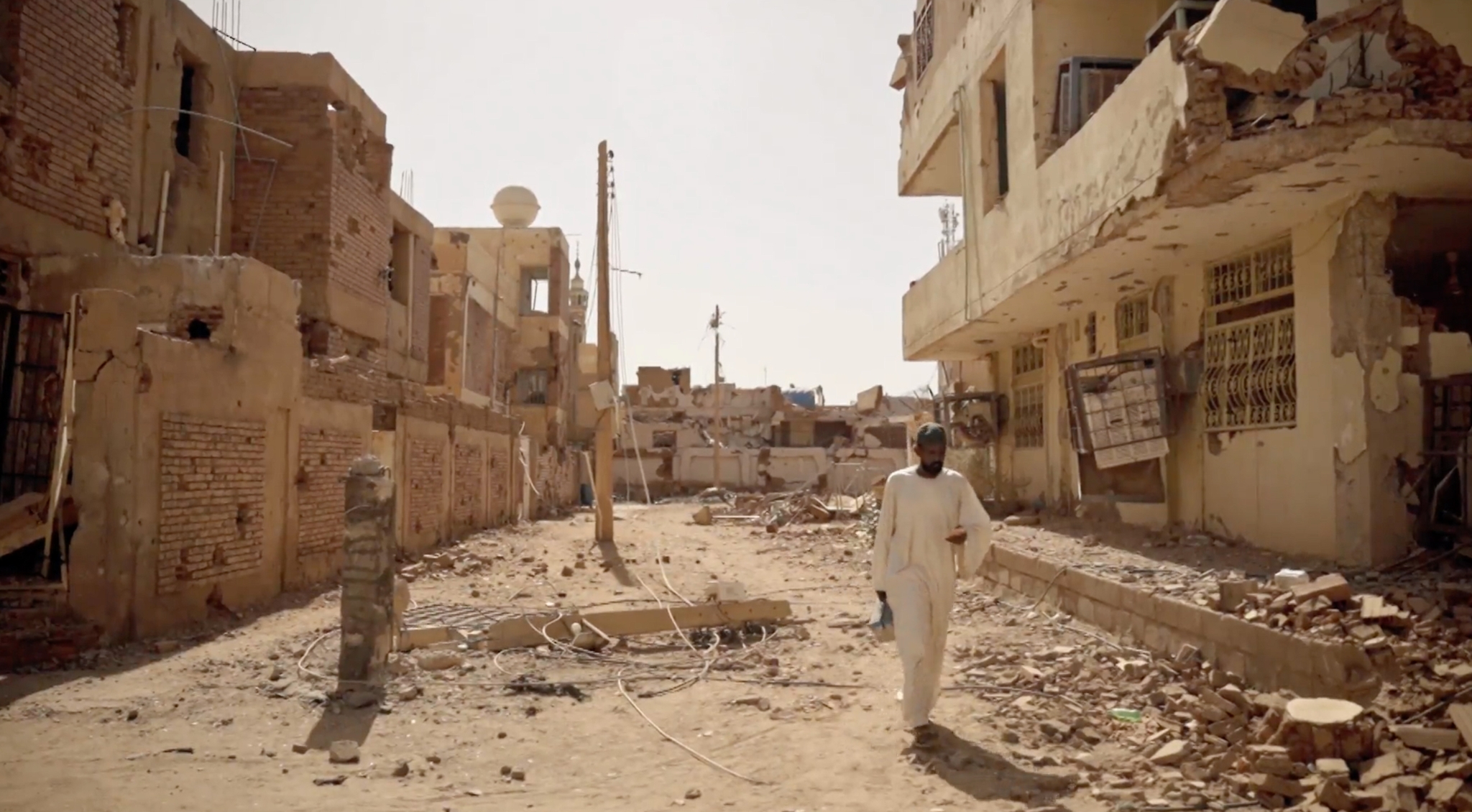
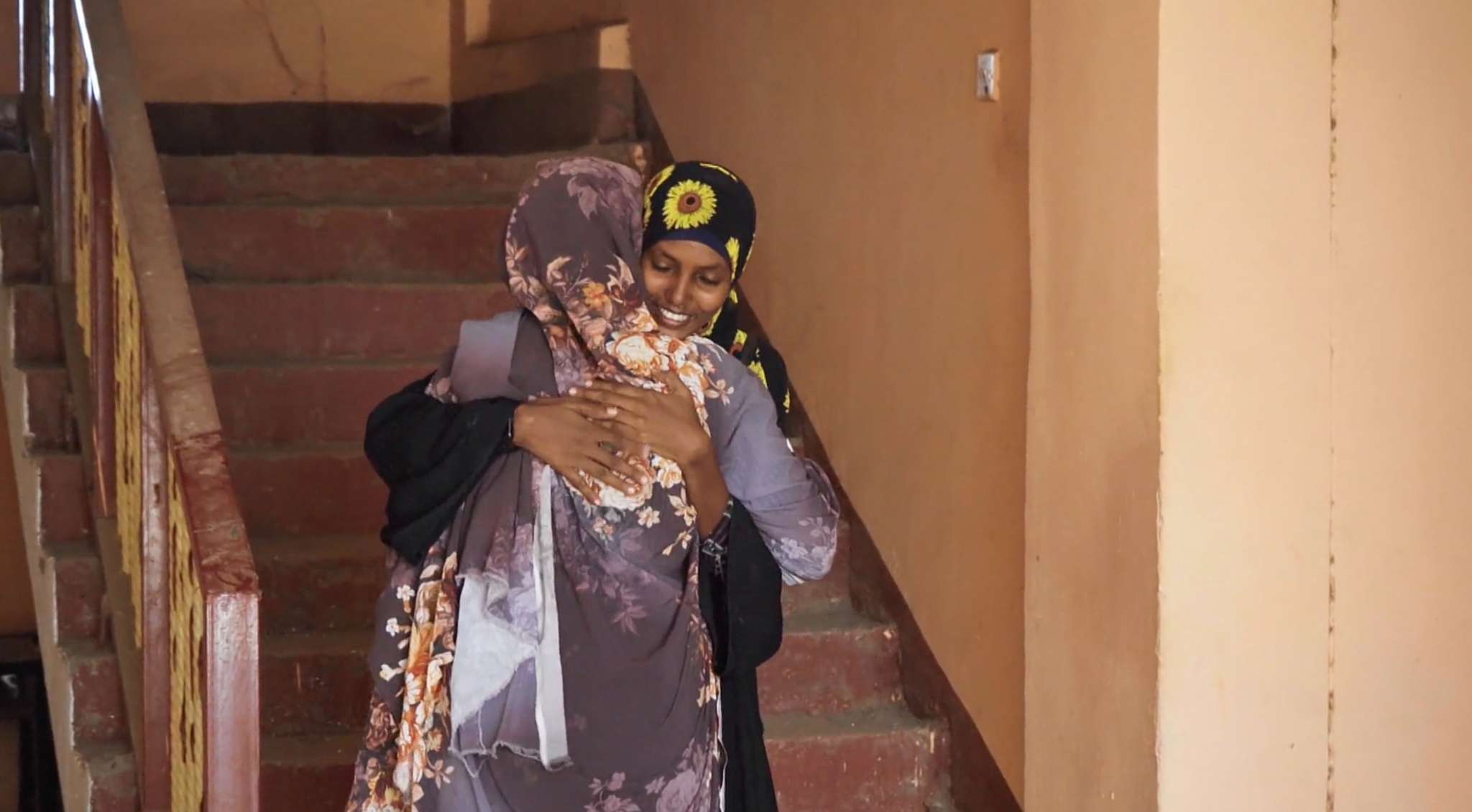
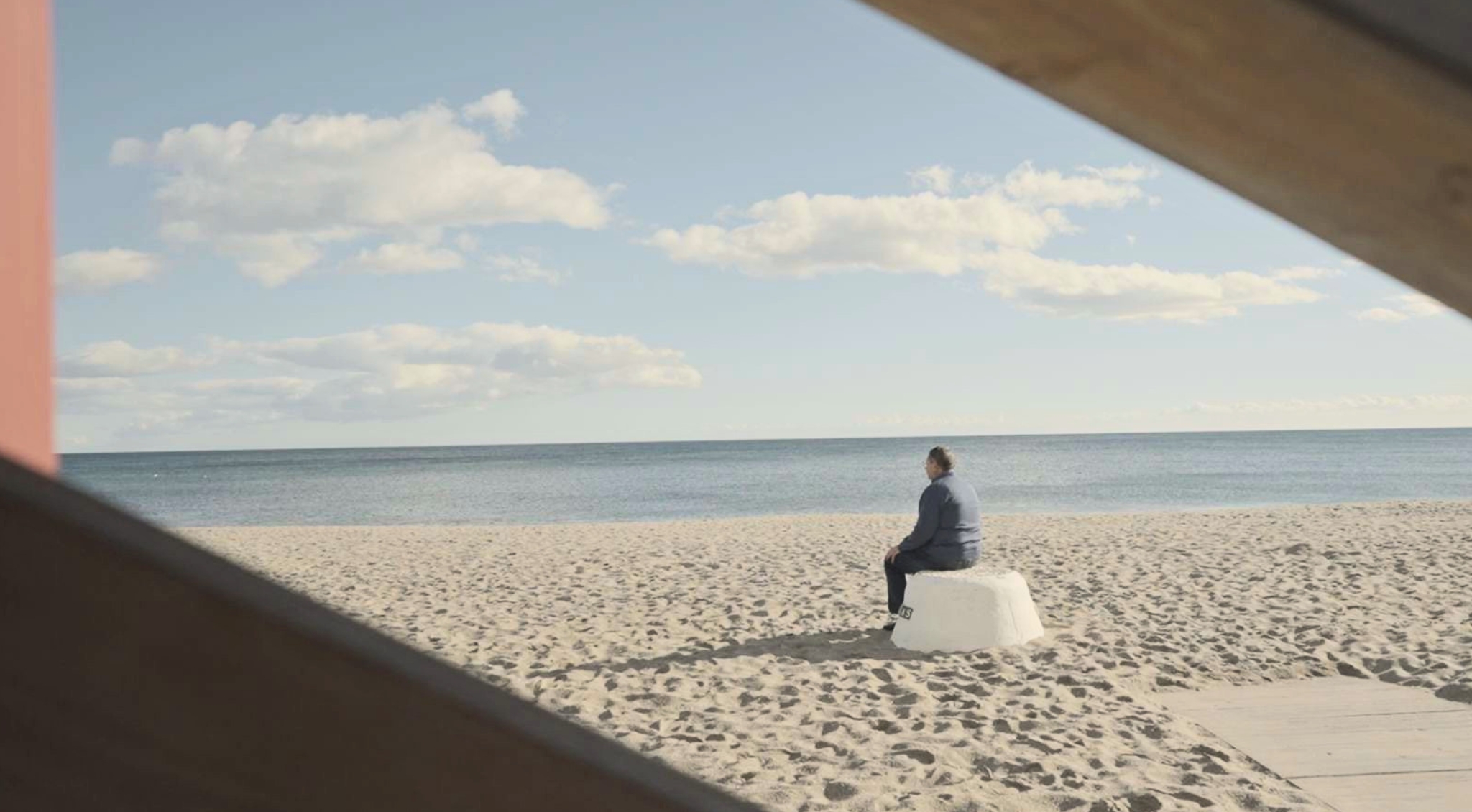
There is a familiar way that war reaches most of us. It arrives as headlines, as images of ruin, and as tallies of the dead. Those images are not false, and they matter. But they tend to leave the people inside the story at a distance, as subjects of a report rather than as individuals with routines, opinions, jokes and plans. No Life on Mars, a 61-minute documentary created by Imad Yassin and directed by Mohamed Chawky, takes a different route. Across five lives and three countries, Sudan, Kenya and Spain, it follows people who were forced to leave home. It is less interested in the moment they lost everything than in what they built afterwards, and in the courage it took to start again.
The result is a film that asks the audience to slow down. That was a deliberate choice, and the team is candid about the editorial discipline it required.
For most of its development, the film was called From Host to Guest. The phrase described a painful reversal. Sudan had once hosted more than a million refugees, and now its own people were fleeing and becoming guests elsewhere. The working title carried the logic of the film at the time: a country that had opened its doors was now the one knocking.
The final title arrived almost by accident, late in the edit. Yassin was reviewing a scene in which the crew surprised a group of children with a Real Madrid football and asked which team they supported. Some of them answered "Al-Merrikh." In Arabic, the word means Mars. It is also the name of one of Sudan's most historic football clubs, which is approaching its centenary. Around the same time, Yassin had been following news about the search for life on Mars. The coincidence felt both ironic and exact.
The title also says something about distance. Yassin describes Sudan as a country that has been so thinly documented, and has received so little sustained international attention, that at times it seems to be happening on another planet, somewhere far beyond the reach of everyone else. A title built on that gap asks viewers to reconsider how far away that place really is, and how much of its story has reached them.
Ask Yassin what he cut and he does not begin with a shot. He begins with a warning about the form itself. Films about war tend to reach for the most devastating images, because that is how war is usually presented to us. "Of course those things are real," he says, "but they are not the whole story."
The team made a deliberate decision not to let suffering become a spectacle, or to let a person's worst moment become the reason an audience keeps watching. Restraint, in this sense, is not the same as softening. It is a judgement about what the camera owes the person in front of it. A harrowing image can be used to shock a viewer into attention, but it can also use the subject as a tool. The filmmakers chose to hold back from that exchange.
The footage that was hardest to leave out involved stories that could have put participants at risk, because the conflict is still ongoing. Some of those moments would have made powerful cinema. Yassin does not pretend otherwise. But his position is clear: no scene, however compelling, outweighs the safety and dignity of the person who trusted the filmmakers with their story. A documentary about a conflict that has not ended has to think about its subjects' futures as well as their pasts.
That is what makes the decision difficult, and also what gives the film its shape. The material that tempted the team most was, in the end, the material they knew they had to let go.
The production gathered terabytes of footage across five lives and three countries. Every sequence had to answer two questions. Does this moment move the story forward? And does it help the audience understand this person beyond what happened to them? Anything that failed the second test, however striking, was demoted to research. That distinction, between what the film shows and what the team knows, shaped nearly every cut.
Pace was a concern from the start. Yassin is conscious that audiences now live among reels, short clips and constant distraction, and he wanted the film to hold attention from the first frame to the last. He imagines a viewer streaming it at home and feeling no pull toward another screen, no urge to pause and check a phone. Holding someone's attention through a subject this heavy is harder than holding it through an entertainment, and the difficulty is part of why the team worked so carefully on rhythm.
At private screenings, one comment stayed with him: "Wow, I didn't feel the time, was that really an hour?" He values it because of the subject. A film about displacement should not feel like a punishment to sit through. It should feel like being in the company of people you come to care about.
He is equally clear about what the film is not. It is not only a record of trauma. It follows what comes after the attempt to rebuild, to belong and to find people willing to help each other heal. Anything that did not serve that journey stayed in the research files, however strong it was on its own. Sixty-one minutes, in other words, is not a limit the film struggled against. It is a discipline the film was built around.
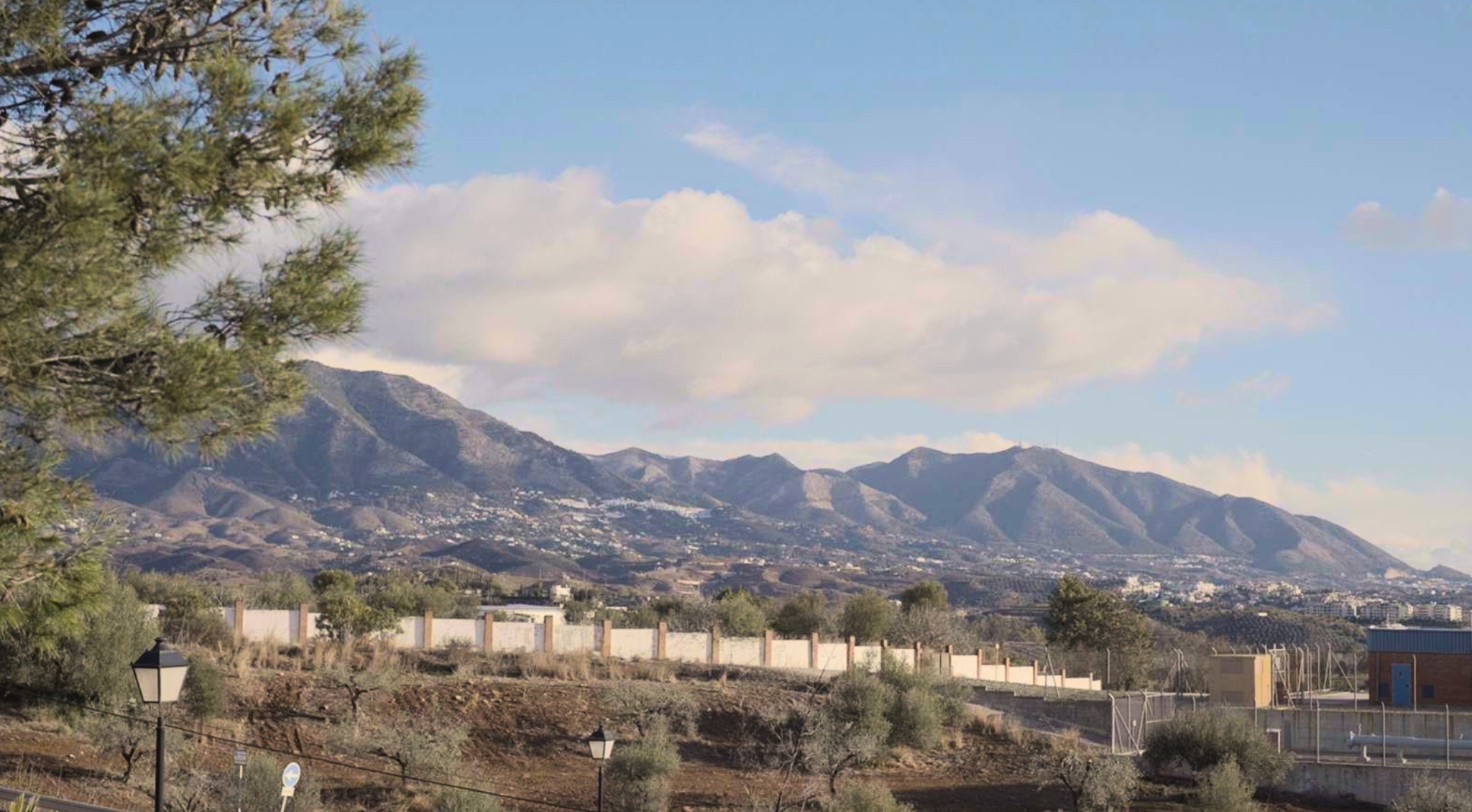
Sudan, Kenya and Spain each have a different light, palette and rhythm, and the film does not try to flatten them. Yassin credits his cinematographer, Amr Elshandawilly, and producers Ahmed Moussa and Nur M'Naria, who bring experience from large productions, including Ahmed Al Shugairi's Khawater for MBC, which was shot across many parts of the world. Their familiarity with working in unfamiliar places, he says, gave them a visual instinct and a sensitivity to each location that the project depended on.
Yassin's approach to the crew is simple. He describes it as a motto: get the people who are the best at what they do, give them room to create, and trust them. He is less interested in imposing a single look than in letting each place speak. In practice, that means the visual language shifts as the geography changes, so that the camera's response to a place is shaped by the place itself.
The shifts were brought together in post-production in Los Angeles, where Daniel Barosa and Katherine Benjamin worked to fold the different worlds into a single texture. For Yassin, that unity was essential. Without it, the film could have felt like three separate documentaries stitched together by a common subject. With it, the viewer experiences one continuous emotional journey that happens to travel.
Beneath the changes in landscape and light is something shared: the experience of being displaced, the search for belonging, and the enduring wish to find a place that can be called home. Yassin's point is that the visual variety is not a disguise for a single story. It is how the single story becomes visible across borders.
Building trust with participants took a long time, and it came before any filming began. The team spent months in conversation with the people whose lives the film would enter, and that groundwork meant the crew was rarely in the position of asking for something the subject did not want to give. No one asked the crew to put the camera down.
The more demanding test came later, in the editing room. Footage that was given freely in a moment of openness can look very different on a timeline, where it is cut, extended, placed beside other material and framed for an audience of strangers. The question the team kept returning to was blunt. Just because someone trusted them enough to share a moment, does that give the filmmakers the right to use it?
The answer had to be measured against the values set at the start: to represent people and their stories truthfully, but never at the expense of their dignity, and never in a way that could cause harm. Those values were not abstract. They were the standard against which individual moments were judged, sometimes cut, sometimes reshaped, and sometimes kept because they served the person as much as the story.
The lesson, as the team describes it, is that trust does not stop when the camera does. It has to be honoured through every stage of the edit, right up until the film reaches an audience, and arguably after that too, in the way it is shown and discussed.
Yassin describes his own roots as central to how he approached the material. He identifies as African and Middle Eastern, and as a first-generation immigrant. Those experiences, he says, shaped how he listened to the participants, and how he understood the difference between a place someone has been forced to leave and a place they have chosen to adopt.
Asked where a viewer can actually see that history in the finished film, rather than simply read about it in a statement, he points to the music, the landscapes and the moments the film chooses to linger on. The decision to stay with a quiet gesture, rather than cut to the next event, is one of the ways personal experience enters a documentary's grammar. Anyone who has lived between cultures will recognise that kind of attention.
He also points to the questions the film keeps returning to. One is: what happens to your identity when you leave a place behind? Another: how do you carry home within you while still searching for somewhere to belong? Those questions are not posed as rhetoric. They are the questions the participants themselves are living with, and the film gives them room to answer in their own way.
Yassin does not want to single out one scene. The film is not about him, he says, but he understands the experience of moving between cultures, rebuilding a sense of belonging and putting down roots more than once. And he hopes the film offers something to anyone who has had to leave a place, begin again somewhere else, and ask what actually makes somewhere feel like home.
If one element carries the film's meaning, it is the music. Yassin points to "Salt," a piece by the composer Esmond Rubinov, which draws on an old folktale. A father asks his three daughters how much they love him. The first says, "More than gold." The second says, "More than diamonds." The youngest says she loves him as much as salt.
The father is furious. Salt seems cheap, ordinary and easy to find, and he takes the answer as an insult. He sends her away. Only later does he understand what she meant: salt is humble, and we barely notice it, but without it everything loses its flavour.
The story works as a key to the film's method. The gold and diamonds of a documentary are the dramatic set pieces: the expulsions, the dangerous journeys, the moments of loss that make headlines. The salt is everything else: the daily routines, the small kindnesses, the ways people keep a home alive in a new city. The film's argument is that the second category is what allows a place to become home, and that it is precisely what gets overlooked when attention is fixed on catastrophe.
For Yassin, that is the heart of the film. Love is not always found in grand gestures. More often it lives in the small, ordinary things we rarely notice. Those are the textures of everyday life, and they are what make us fall in love with a place and, eventually, call it home. Rubinov's piece, he says, gathers all of that together. It is the sound of the film's central idea before the viewer has fully understood it.
Director Mohamed Chawky describes working with Yassin as easier than he had expected. Yassin, in Chawky's account, has a clear sense of why these stories needed to be told, but he also trusted Chawky and the team to turn that vision into a film. That combination, a strong reason to make the film paired with real latitude for the people making it, is what Chawky says allowed the work to move forward.
Chawky is clear about the division of labour. Yassin brought what a director cannot manufacture: the relationships, the access and, above all, the trust of the people whose lives the film enters. Those assets are slow to build and impossible to fake, and they are what gave the crew a way into the material at all. Chawky's responsibility was to honour that trust while making the creative decisions that shape a film. Those decisions covered structure, rhythm, what stayed, what had to go, and where a scene should end.
Ending a scene is perhaps the least visible of those decisions and one of the most consequential. A documentary can close a moment on a face, a sound or a silence, and each choice tells the audience how to feel about what they have just seen. Those judgements, Chawky makes clear, were made in conversation with Yassin rather than handed down from one to the other.
He does not claim the process was smooth. There were disagreements and painful decisions, which he regards as a sign that both men cared deeply about the work. What kept them aligned was a shared commitment to the people who trusted them and to the film they had promised to make. Disagreement, in his telling, was not a failure of collaboration. It was part of how the film got its judgement.
One of the hardest parts of making the film, Yassin says, was finding the right balance between pain and healing, love and rage, building and destruction. The film holds several of these pairs in tension at once, and the edit went through many changes before that balance settled. Too much grief and the film becomes a lament. Too much lightness and it forgets what its subjects have lost.
He never wanted the film to be defined only by devastation. It was just as important to capture the love, beauty, humour and humanity that exist alongside the suffering, and to show what existed before the destruction. That last point matters. A film that begins only after the catastrophe implies that the people in it have no history worth knowing. This one tries to give them a past as well as a present.
He knew the balance had landed after a private screening at Cinema Akil in Dubai. A viewer told him, "I wish I had gone to Sudan with you before the war." Yassin says the comment stayed with him, and that it was the moment the team recognised they had found the balance they had been looking for.
For Yassin, that remark captured the purpose of the film. Audiences should not leave simply understanding what Sudan has lost. They should leave with a sense of what Sudan was, and why that loss matters. The viewer's wish to have visited a place before it changed is itself a kind of testimony to what the film has done: it has made a country feel specific, and specific places are harder to forget.
Asked whether there is anything he would still change, Yassin answers as a craftsman rather than a storyteller. For any filmmaker, he says, a film is never truly finished. There is always something more to add, change or explore. At some point you have to let it go and allow it to find its own life.
His regret is about what the audience does not see. The production at one stage moved to Beirut, Lebanon, and had to abandon the shoot halfway through because of bombing near the airport. That part of the journey does not appear in the finished film. Viewers see the images, but not the effort, risk and circumstances behind them. The disruption was not only logistical. It was a reminder, in the middle of production, of the same instability the film documents.
If he could go back, he would include more behind-the-scenes footage at the end to show the scale of the work and the conditions in which it was made. He suggests that this could still happen when the film is released: a chance to share what existed beyond the frame, and the story of how the story was made.
No Life on Mars is heading toward its premieres. Its makers describe it as a film about people who have lost a place and are working out how to live without it, and about the ordinary acts, such as a meal, a walk or a song, through which a new place begins to feel like home.
Yassin's own summary is close to the film's central question. Home, he suggests, is not only the place you left. It is also the everyday life you build wherever you land, and the people who help you build it. The title asks how far away a place can be before it stops mattering. The film's answer, delivered quietly and at length, is that distance is measured less in kilometres than in attention, and that attention is exactly what the people in this film have been asking the world for.